M26 ou NGC 6694. Photo prise le 28-09-2014 à Moussonvilliers.
L, 1x60s, -20°C, bin2

cat 4
M26 ou NGC 6694. Photo prise le 28-09-2014 à Moussonvilliers.
L, 1x60s, -20°C, bin2

M11 (ou NGC 6705) : L’amas du Canard Sauvage le 28-09-2014 à Moussonvilliers.
L, 1x60s, -20°C, bin2

Une pose unitaire de 300s à 1600 ISO avec le Canon EOS 40D sur l’Equinox 120.
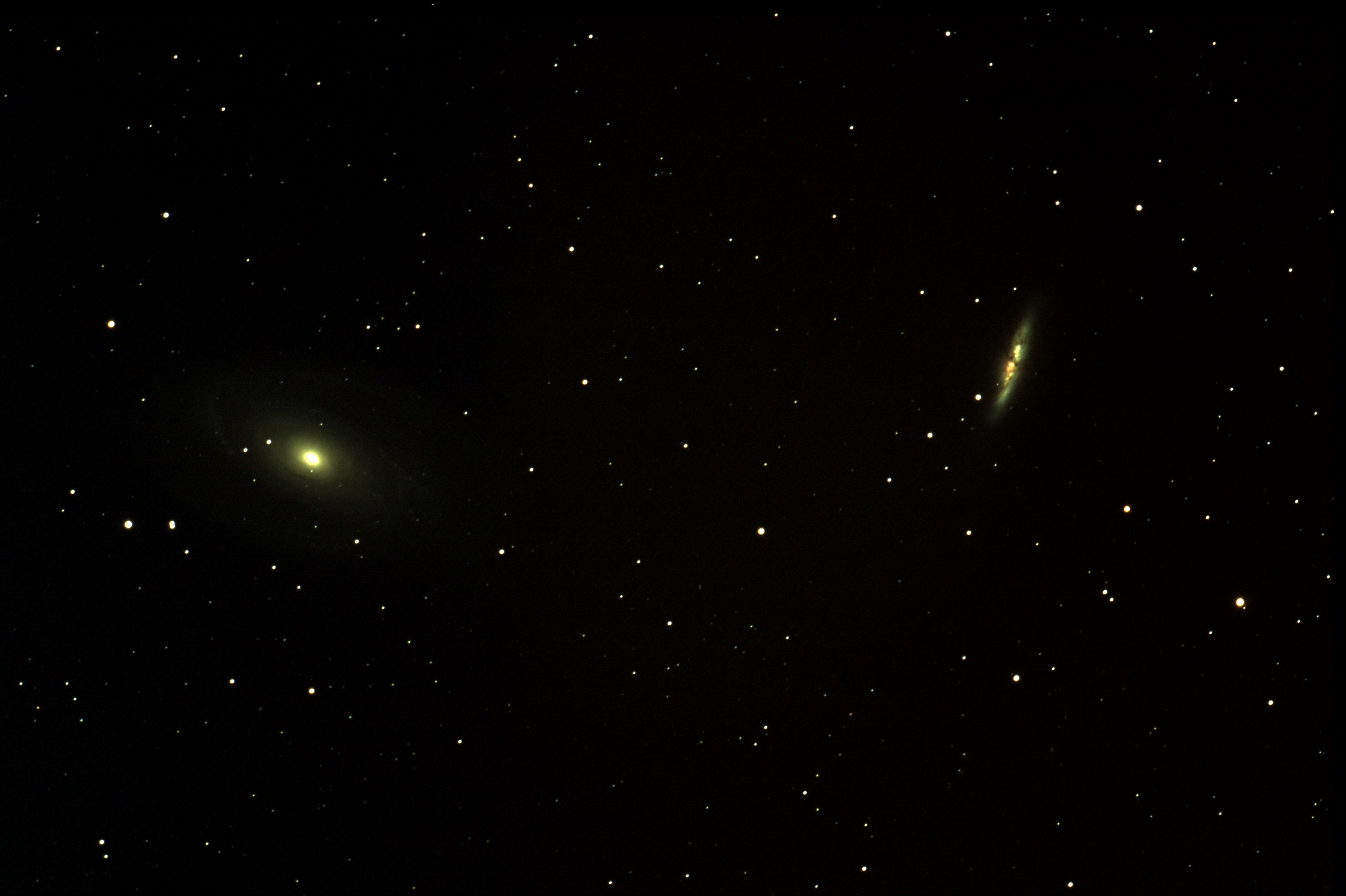
M81, M82 – 21 x 300s à 800ISO au Canon EOS 40D. Buzet-Sur-Baïse, juillet 2009.

Lors de mes vacances à Buzet-sur-Baïse (47) le 10 juillet 2009.
16 photos de 300s unitaires à 800ISO avec le Canon EOS 40D

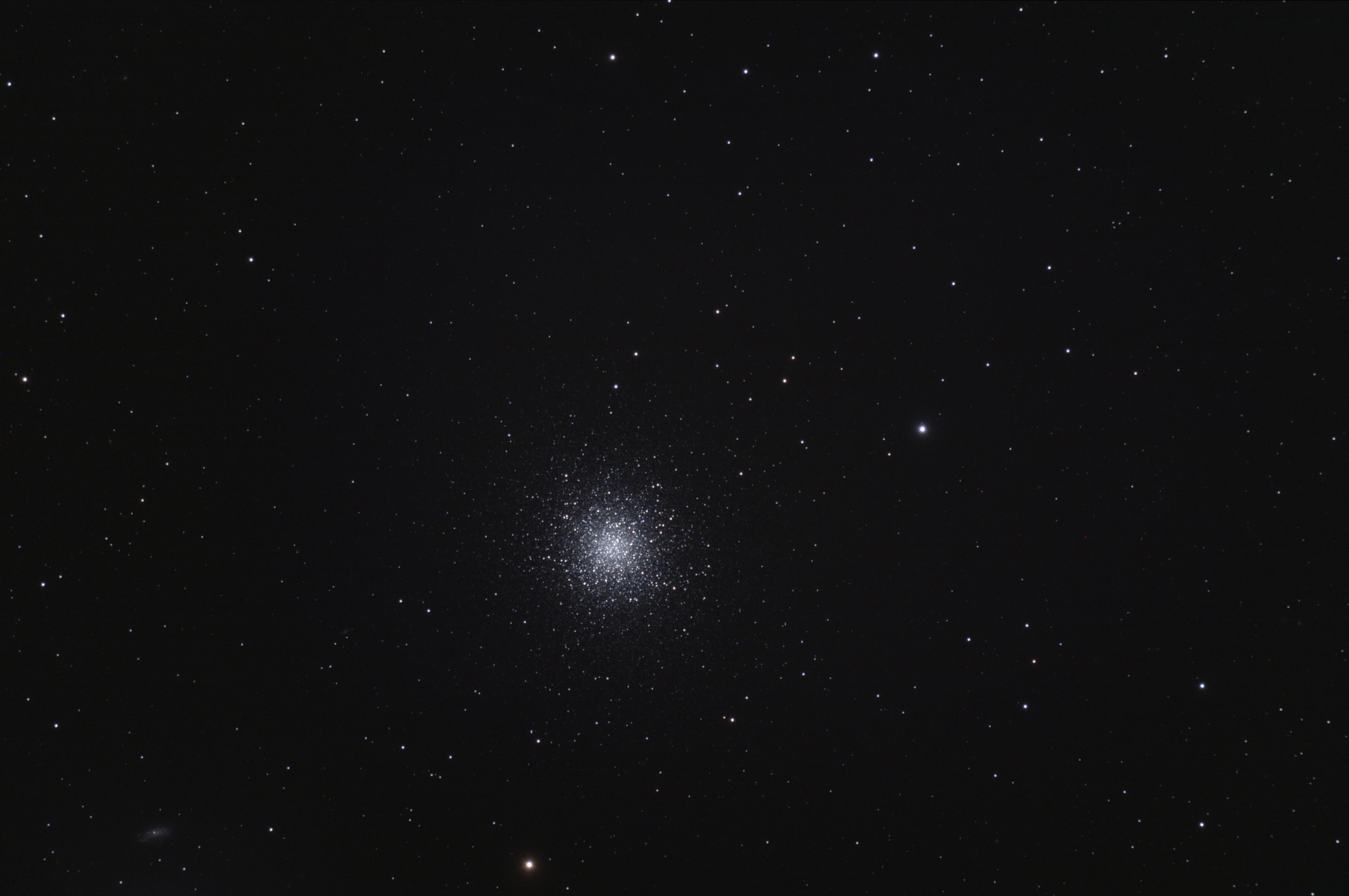
Ma première M13 avec l’Equinox 120 et le Canon EOS 40D défiltré juste avant les RAP en 2009 (01-05-2009)
10 poses de 300s unitaires, 7 darks, 14 flats et 15 offsets

M106 (NGC4248) Galaxie spirale dans la constellation des chiens de chasse réalisée le 01-05-2014 dans le Quercy lors d’une sortie astro d’une semaine où nous n’avons eu qu’une nuit de potable !
1 pose unitaire de 600s avec ma caméra Atik 383L+ à -20°C et filtre Luminance Astrodon au foyer de la Takahashi TSA 120 + .

J’ai repris un peu l’astro et j’ai fait un petit traitement de les dentelles du Cygne : NGC 6995 et NGC 6992 avec la FSQ106 et un filtre H-alpha 5nm devant ma caméra CCD Atik 383L+.


CCDT67
The CCD Telecompressor (CCDT67)
The focal length of the CCDT67 CCD Telecompressor is 305 mm or 12.0” Again, using the formula introduced above, a distance of 101 mm or 4.0 inches gives the stated 0.67X compression. (305 – 101) / 305 = 0.67 Because the CCDT67’s focal length is much shorter than the 27TVPH’s, an equal change in distance will have a greater effect on the compression. If we shorten the distance by 35 mm as we did above for the 27TVPH, the compression factor becomes 0.78X. (305 – 66) / 305 = 0.78 Changing from 0.67X to 0.78X is certainly more drastic than changing from 0.75X to 0.80X as was the case for the 27TVPH. Please note also that the CCDT67’s more aggressive compression makes it less suitable for faster instruments.
We strongly recommend using the CCDT67 only on instruments with focal ratios of f/9 and higher.
The CCDT67 takes up 16 mm of the distance in your calculations. The rest of the distance is in the nosepiece, filter wheel, CCD camera and any extensions you may use. Note also that, unlike the above example with the 27TVPH, the entire nosepiece length is a part of the light path with the CCDT67 since the nosepiece does not get buried inside another adapter relative to the telecompressor.
The CCDT67 has a clear aperture of 44 mm or 1.75”. At 0.67X compression, it will fully illuminate a 29 mm circle – 44 mm x 0.67 = 29 mm.
To give a real world example, let’s assume the following: We will set up a system with the CCDT67 @ 16 mm; our AP16T – 2”/T2 nosepiece @ 29 mm; a color filter wheel @ 25 mm; and a CCD camera @ 25 mm. 16+29+25+25 = 95 mm. (305 – 95) / 305 = 0.69X 44 mm x 0.69 = 30 mm – the fully illuminated circle.

Premier essai au RC8″.
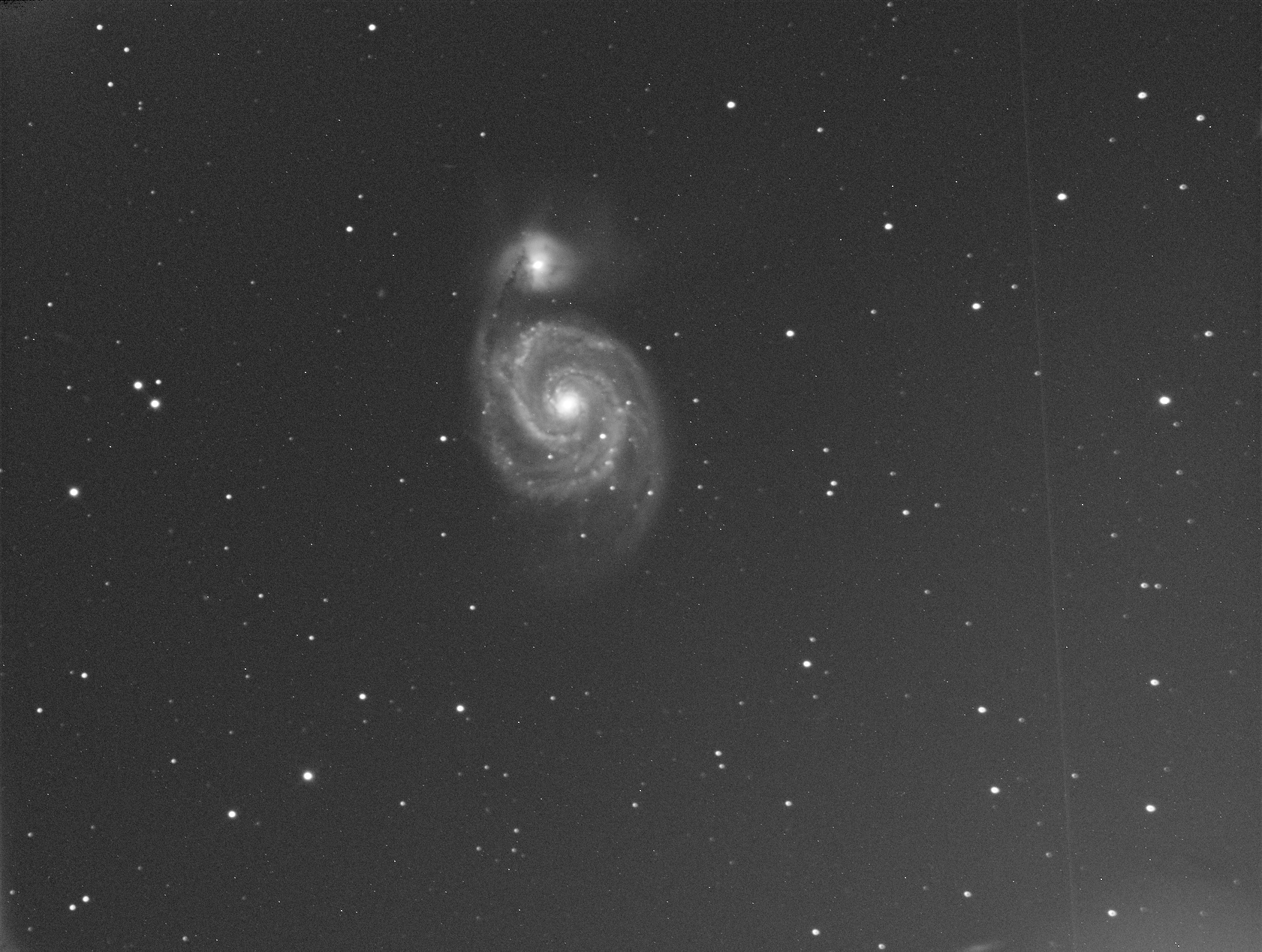
Addition de 4 poses de 600s à -20°C en luminance.

Le Trio du Lion – 29 mars 2014
FSQ 106 + extender Q 1,6 : focale résultante de 800mm (f/d 7.5)


http://www.astrobin.com/70122/B/
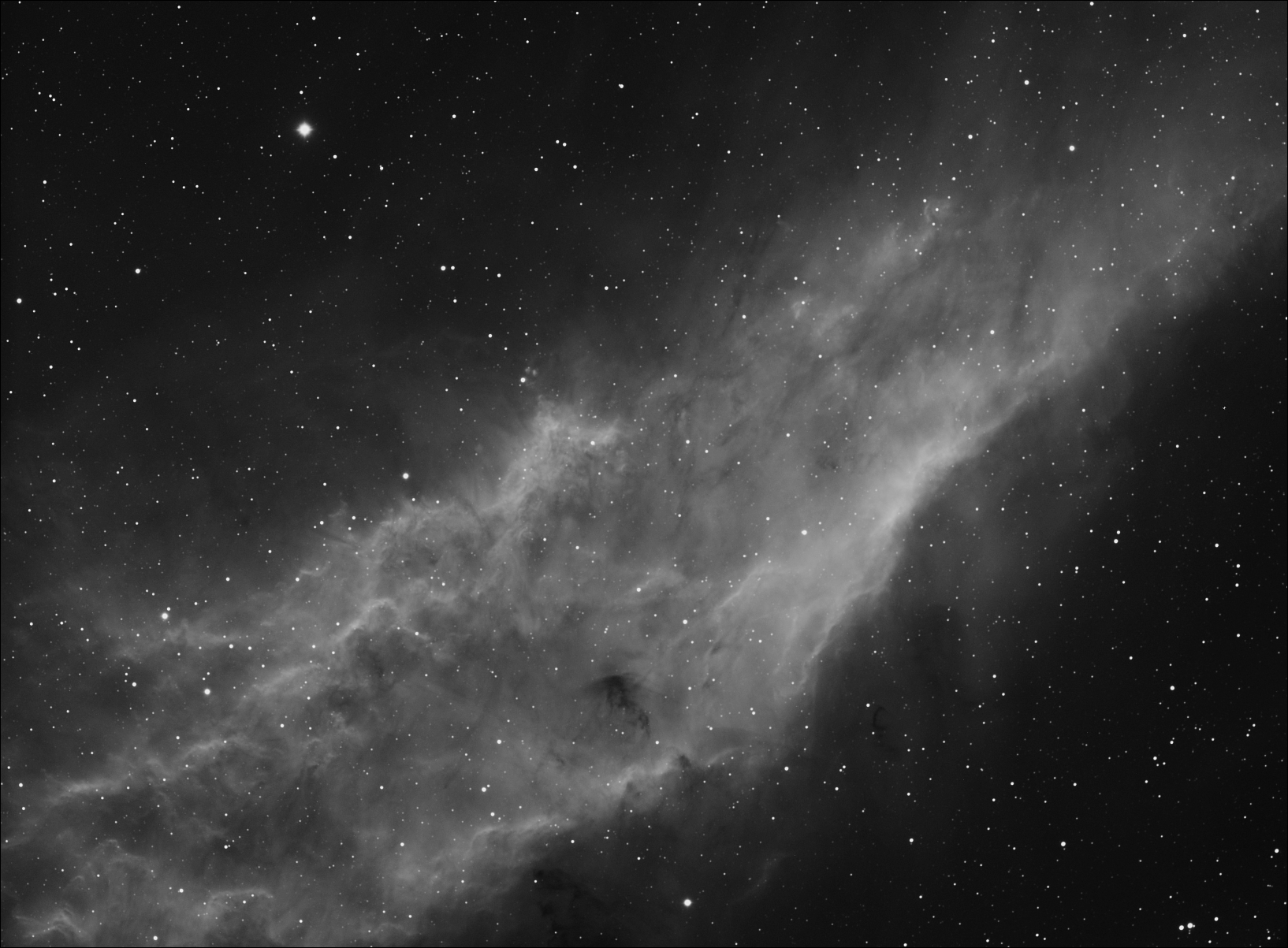
California Nebula – NGC1499 – Ha 13x1200s -20°C bin2
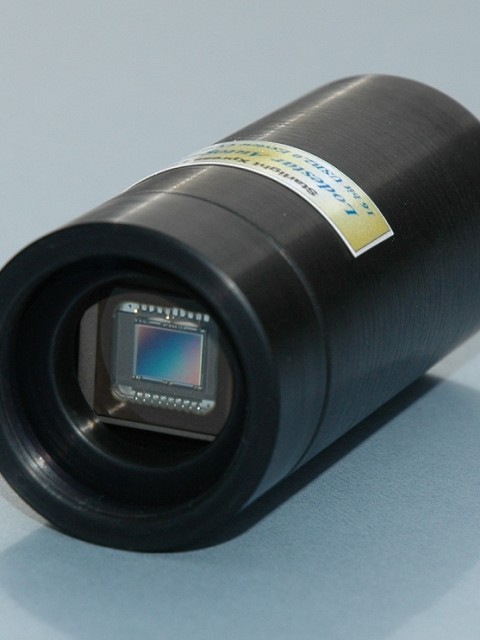
Starlight Xpress Lodestar : http://www.sxccd.com/lodestar-autoguider


(modèle noir de première génération) entièrement restauré par mes soins avec l’aide du collectif AVEX:

Voici les changements que j’ai effectué :
– changement des roulements des axes de DEC (déclinaison) et d’AD (Ascension Droite) y compris ceux des vis sans fin,
– changement de la graisse,
– ré-alésage de la cloche de DEC,
– rajout d’une butée sur l’axe d’altitude,
– changement de l’axe d’altitude,
– changement du pignon de sortie de moteur de DEC.
Elle fonctionne parfaitement bien.

Pour toujours réussir les flats, on utilise simplement le plungin Sky Flats Assistant !
cool, ça simplifie la vie !

Comment connaître le centre d’une photo astro ? avec la fonciton pinpoint astrometry de Maxim DL :
Cool !


dans le désert d’Atacama : http://cltatacama2013.blogspot.fr/
location de lodge : http://www.spaceobs.com/indexfr.html